Author: ericsanjaya

  • Generative AI Trends in 2025-2030: Shaping the Future

    Generative AI Trends in 2025-2030: Shaping the Future

    As we move deeper into the mid-2020s, Generative AI Trends continue to redefine industries, revolutionizing the way we work, create, and interact with technology. This cutting-edge field, which includes AI models capable of generating images, text, and even complex software systems, is advancing at an unprecedented pace. Between 2025 and 2030, Generative AI Trends are expected to play an even greater role in solving real-world challenges, driving innovation, and enhancing personalization.

    Let’s dive into the key trends that will shape the future of generative AI during this transformative decade.

    1. Hyper-Personalized Content Creation

    Generative AI is set to revolutionize content creation by delivering highly personalized experiences. By 2025, advanced AI models will craft custom-tailored content such as movies, music, advertisements, and educational materials based on individual preferences and behaviors.

    Key Applications:

    • Entertainment: AI-generated movies and TV shows designed for niche audiences.
    • Marketing: Personalized ad campaigns that adapt to user behavior.
    • Education: Tailored learning experiences to meet individual learning styles.

    Challenges: As personalization grows, ethical concerns surrounding data privacy and user consent will intensify. Industries will need to ensure a careful balance between customization and responsible data usage.

    2. AI as a Co-Creator in Artistic Fields

    The creative industry is embracing generative AI as a collaborator rather than a replacement. By assisting artists, musicians, writers, and designers, AI is pushing the boundaries of creativity.

    Examples of Collaboration:

    • Music: AI-assisted composition and sound design.
    • Art: Generating new artistic styles or variations.
    • Literature: Co-authoring books or generating story ideas.

    Implications: This trend challenges traditional notions of authorship and creativity, raising questions about intellectual property rights and ethical guidelines.

    3. Generative AI in Healthcare and Drug Development

    In healthcare, Generative AI Trends are poised to transform drug discovery and precision medicine. By simulating biological processes and predicting the efficacy of new compounds, AI can accelerate the development of treatments.

    Key Developments:

    • Drug Discovery: Identifying novel molecules and optimizing drug efficacy.
    • Medical Imaging: Enhancing diagnostic accuracy with AI-powered analysis.
    • Personalized Medicine: Tailoring treatments based on genetic and health profiles.

    Impact: Generative AI could significantly reduce the time and cost of bringing new drugs to market, improving healthcare outcomes worldwide.

    4. Generative AI in Autonomous Systems

    Generative AI is becoming integral to autonomous systems such as self-driving cars, drones, and robots. These AI models enhance real-time problem-solving capabilities, making autonomous systems safer and more adaptable.

    Key Innovations:

    • Self-Driving Cars: Real-time predictions and responses to road conditions.
    • Drones: Optimized flight paths for efficiency and safety.
    • Manufacturing Robots: Generating strategies for complex assembly tasks.

    Opportunities: These advancements will streamline automation in industries like logistics, reducing costs and improving efficiency.

    5. Improved Human-AI Collaboration

    The future workplace will see a deeper integration of generative AI as a collaborator, assisting professionals across various sectors.

    Examples of Collaboration:

    • Software Development: AI-generated code and debugging support.
    • Engineering: Designing and simulating complex systems.
    • Business: Generating actionable insights from data for better decision-making.

    Trend Insight: By 2030, human-AI collaboration will become a cornerstone of innovation, streamlining workflows and enhancing productivity.

    6. Ethical AI and Content Moderation

    As generative AI becomes more ubiquitous, ethical concerns surrounding its use are coming to the forefront. Ensuring responsible AI development will be crucial to addressing issues like misinformation, bias, and harmful content.

    Future Developments:

    • Content Moderation: AI systems capable of detecting and removing harmful content in real-time.
    • Transparency: Training AI on diverse, unbiased datasets to ensure fairness.
    • Regulations: Global initiatives to establish ethical guidelines for AI usage.

    Call to Action: A global effort is needed to create robust frameworks that ensure generative AI benefits society as a whole.

    7. The Rise of AI-Generated Virtual Worlds

    Generative AI is at the core of creating immersive virtual and augmented reality experiences. By 2030, AI will generate fully realized virtual worlds, transforming industries such as gaming, education, and business.

    Potential Applications:

    • Gaming: Dynamic storylines and environments that adapt to player choices.
    • Education: Interactive simulations for personalized learning experiences.
    • Business: Virtual spaces for collaboration and training.

    Trend Impact: AI-generated virtual worlds will unlock new opportunities for creativity, collaboration, and engagement.

    8. AI-Driven Business Optimization and Automation

    Generative AI will drive smarter, data-driven business processes, enabling organizations to operate more efficiently and scale effectively.

    Key Innovations:

    • Finance: Predictive models for risk management and portfolio optimization.
    • Supply Chain: Real-time inventory control and demand forecasting.
    • Operations: Automated strategies for workflow optimization.

    Business Edge: Companies leveraging AI for automation will gain a competitive advantage in an increasingly dynamic market.

    9. AI-Generated Synthetic Data

    AI-generated synthetic data will play a critical role in industries where data privacy is paramount. This artificial data mimics real-world data, enabling safe and efficient training of AI models.

    Benefits of Synthetic Data:

    • Privacy Protection: Avoiding the use of sensitive personal information.
    • Scalability: Generating large datasets quickly for model training.
    • Testing: Simulating scenarios without compromising real-world data.

    Application Areas: Healthcare, finance, and autonomous systems will particularly benefit from synthetic data solutions.

    Shaping the Future with Tohjiwa Teknologi

    Generative AI Trends are set to redefine innovation and technology across industries. From personalized content and healthcare breakthroughs to autonomous systems and virtual worlds, the impact of Generative AI Trends will be transformative.

    Tohjiwa Teknologi, in advanced AI solutions, is well-positioned to drive these changes. By focusing on ethical AI development and cutting-edge applications, Tohjiwa Teknologi will help industries navigate the complexities of generative AI, ensuring responsible and impactful solutions for the future.


  • COVID-19 Transformed Global Communication

    COVID-19 Transformed Global Communication

    The COVID-19 pandemic marked a profound shift in human global communication, not just as a health crisis but as a defining moment that forced individuals, organizations, and communities to adopt new ways of connecting. As lockdowns, social distancing, and travel restrictions became the norm, the global reliance on digital tools skyrocketed. This transformation reshaped how we interact, collaborate, and sustain relationships in a rapidly changing world.

    A Surge in Digital Global Communication

    Before the pandemic, face-to-face meetings, conferences, and social gatherings were the standard for both personal and professional interactions. The pandemic’s sudden onset left no choice but to pivot toward remote communication. With businesses shutting down physical offices and individuals confined to their homes, the demand for digital solutions skyrocketed almost overnight. Many organizations quickly adopted online meeting platforms like Zoom and Microsoft Teams, while individuals turned to these tools for both work and personal connections. This rapid adjustment was driven by the necessity to maintain productivity and social bonds in an increasingly isolated world. Digital platforms like Zoom, Microsoft Teams, and Google Meet quickly became lifelines, offering solutions for everything from professional collaboration to family catch-ups.

    The surge in online meeting platforms was unprecedented. For example, Zoom reported a staggering 30-fold increase in daily meeting participants during 2020, reaching over 300 million users. This shift wasn’t confined to tech-savvy regions—even areas with previously limited digital infrastructure experienced rapid adoption of these tools, thanks to the expansion of internet accessibility. The pandemic made clear that digital communication was no longer optional but essential.

    Revolutionizing the Workplace

    Because of change in global communication, perhaps the most dramatic transformation occurred in the workplace. Remote work, once considered a niche practice, became the global standard practically overnight. Companies scrambled to implement work-from-home policies, relying heavily on online meeting tools for team collaboration, client meetings, and day-to-day operations.

    This shift wasn’t just about convenience. It led to lasting changes in workplace culture and employee expectations. Flexible work arrangements—including hybrid office models—are now seen as a competitive advantage, enabling organizations to attract top talent while reducing overhead costs. Companies like Google and Microsoft have successfully implemented hybrid models, offering employees the flexibility to work remotely while maintaining access to collaborative office spaces. These approaches have not only enhanced productivity but also improved employee satisfaction and retention. Additionally, businesses invested significantly in digital infrastructure, from cybersecurity enhancements to cloud-based collaboration systems, ensuring that remote operations remained secure and efficient.

    Social Interaction Goes Virtual

    Global Communication not only impacts how we work but also reshapes our social connections, which have faced significant upheaval. Weddings, birthdays, and even funerals shifted to virtual formats, made possible by video conferencing tools. This adaptability in embracing these platforms highlights the resilience of human connection. Virtual happy hours, game nights, and themed gatherings became innovative solutions to combat isolation and preserve relationships during a time of unprecedented separation.

    Online platforms adapted quickly, introducing features tailored to social events. Virtual backgrounds, breakout rooms, and interactive activities became integral parts of digital gatherings, allowing participants to inject a sense of fun and normalcy into these interactions. While they couldn’t fully replicate in-person experiences, these adaptations demonstrated how technology could bridge the emotional and physical gaps.

    The Educational Sector’s Digital Pivot

    Few areas experienced as much disruption as education, where Global Communication played a pivotal role in addressing challenges. According to UNESCO, over 1.6 billion learners across more than 190 countries were affected by school closures at the peak of the pandemic, representing over 90% of the world’s student population. This unprecedented shift forced educators to rapidly adapt to online learning environments, often with limited resources and training. The impact was particularly severe in regions lacking access to reliable internet and digital devices, highlighting significant disparities in global education systems. However, through the power of Global Communication, schools and universities around the world transitioned to online learning almost overnight. Platforms like Google Classroom and Zoom became indispensable, enabling educators to maintain continuity in teaching despite the challenges of remote instruction.

    The transition, though critical, highlighted systemic inequities. Millions of students lacked access to reliable internet or devices, prompting governments and organizations to address the digital divide through targeted investments. Despite these challenges, the pandemic accelerated innovation in e-learning, with hybrid models now set to become a permanent fixture in education systems. Teachers and students alike have adapted to a new normal that blends the flexibility of online resources with the benefits of in-person engagement.

    Telepati Meeting: Rising to the Challenge

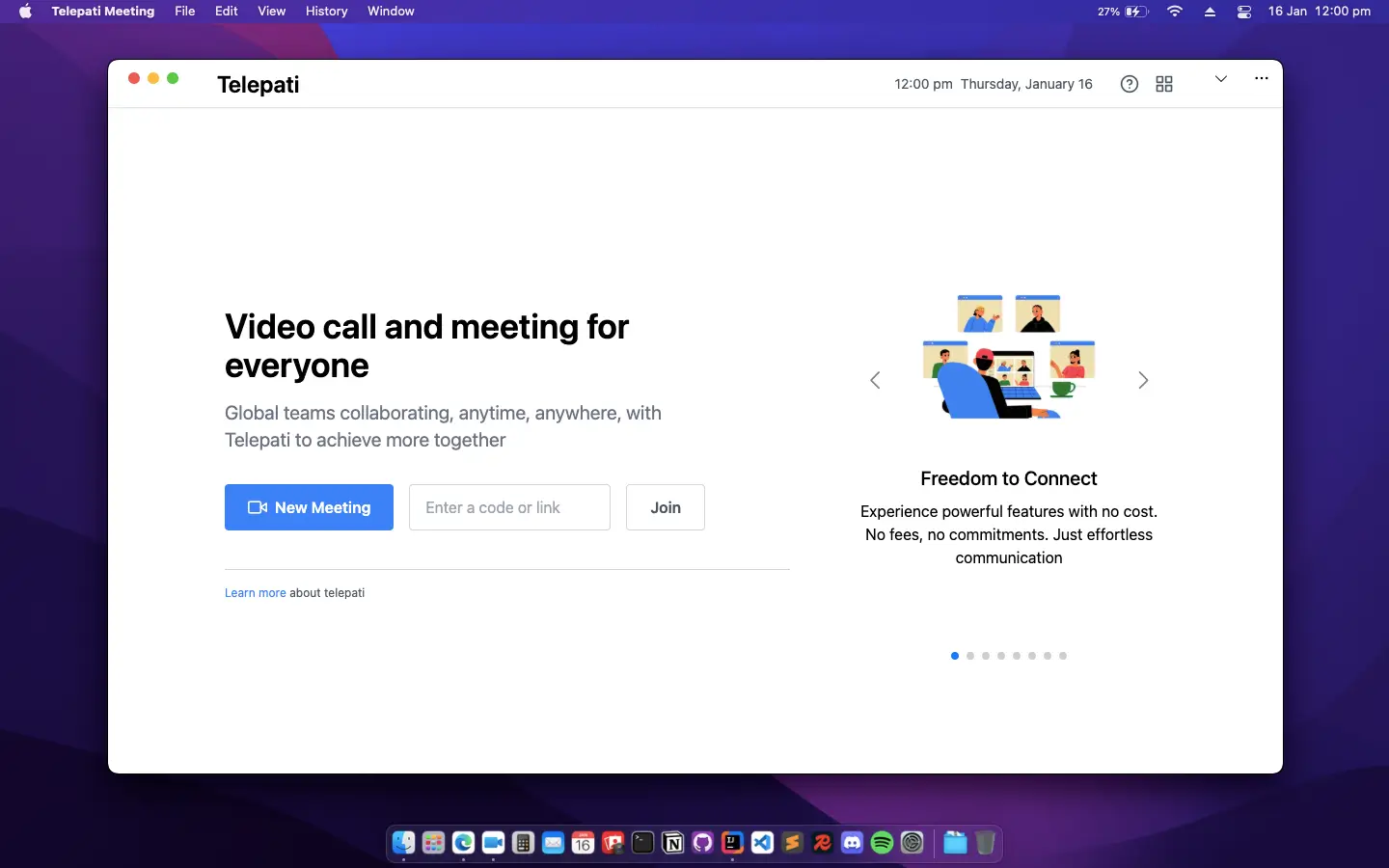
    As the world began to recover from the pandemic’s immediate impacts, new tools emerged to address the evolving demands of communication. Launched in 2022, Telepati Meeting quickly established itself as a transformative platform, providing free, unrestricted online meeting solutions for up to 500 participants. At a time when other platforms imposed limits on free users, such as restricting meetings to 40 minutes or capping participant numbers, Telepati Meeting filled a crucial gap. Unlike Zoom and Microsoft Teams, which charged for extended features, Telepati Meeting provided free, unrestricted access for up to 500 participants. This ensured that individuals, startups, and small businesses could access high-quality tools without financial constraints, setting a new standard for accessibility in the online communication space.

    Telepati Meeting’s intuitive design and powerful features made it a standout option in the crowded digital communication space. Beyond business use, it became a preferred platform for virtual social events, educational sessions, and community activities. With integrated AI-driven capabilities, robust security measures, and reliable performance, Telepati Meeting demonstrated its commitment to fostering meaningful connections in a post-pandemic world.

    A New Era of Global Communication

    The changes brought by the pandemic have left an indelible mark on how we communicate. Hybrid work models, virtual events, and digital learning are no longer temporary adaptations but essential components of modern life. Beyond traditional applications, industries such as healthcare and real estate have embraced digital tools, further broadening the scope of online communication. For example, healthcare providers now use telemedicine platforms to conduct virtual consultations, ensuring patients receive care without needing to visit clinics. Similarly, the real estate sector has adopted virtual property tours and online negotiations, enabling buyers to explore homes and close deals remotely. These examples highlight how digital tools are transforming industries in response to new communication demands.

    Telepati Meeting exemplifies the role of innovation in this new era. By removing barriers to connectivity, it enables users from diverse backgrounds to collaborate effectively, share ideas, and build relationships across borders. Its introduction was timely, addressing the unique challenges of a world redefined by the pandemic and laying the groundwork for a more connected future.

    The COVID-19 pandemic forced us to rethink and reinvent the ways we interact. Platforms like Telepati Meeting have not only adapted to this change but have actively contributed to shaping it, ensuring that communication remains seamless, accessible, and meaningful in an ever-evolving landscape.

  • How 5G and AI Are Transforming Online Meetings

    How 5G and AI Are Transforming Online Meetings

    Online meetings have become a standard component of business and personal communication over the past few years. As remote working and global connectivity continue to increase, new technologies like 5G and artificial intelligence (AI) are going to change the face of virtual meetings. In this post, we talk about the revolutionary impact these technologies will bring to virtual meetings and the potential they create for users and businesses.

    The Arrival of 5G: Faster, Smoother Connectivity

    The launch of 5G networks is a huge leap for mobile internet speed and reliability. With its ultra-low latency and high bandwidth, 5G delivers impeccable video and audio quality for online meetings, even in HD. In addition to this, the fact that 5G can handle high counts of participants and be merged with other emerging technologies, such as real-time analytics or virtual reality spaces, for example, keeps adding to its disruptive capabilities in large-scale virtual collaboration. It addresses one of the most significant pain points for virtual communication: disruptions in meetings caused by unstable connections.

    • Enhanced Collaboration: With near real-time delivery of data, 5G enables real-time collaboration, with teams able to share large files, use interactive whiteboards, and co-work on complex tasks without any delays.
    • Global Reach: Individuals in remote or underserved areas can access high-quality online meeting experiences, narrowing the digital divide.

    The Role of AI in Revolutionizing Online Meetings

    AI is at the forefront of revolutionizing online meeting experiences, offering more than just video calling. The integration of AI-powered functionality is changing the way we communicate, collaborate, and make decisions.

    1. Automatic Transcription and Note-Taking

    AI-driven transcription services convert speech to text in real time, providing accurate meeting notes and summaries. Otter.ai and Zoom’s transcription feature are excellent examples, showing how this feature is transforming productivity and accessibility in online meetings. Not only is time saved with this feature, but it also ensures that no valuable information is missed.

    2. Emotion and Sentiment Analysis

    Through emotion detection using AI, meeting software is able to analyze facial expressions, tone of voice, and text input to gauge engagement and sentiment. This is accompanied by privacy concerns on how sensitive data is stored and used, as well as ethical concerns on consent and transparency on monitoring the emotions of participants. Leaders believe this insight is valuable in order to adjust their style and make the environment more inclusive.

    3. Smart Scheduling and Summaries

    AI can simplify scheduling meetings by analyzing participants’ calendars and suggesting the best times. Post-meeting summaries and action items generated by AI ensure that teams stay on target.

    Opportunities for Individuals and Businesses

    The pairing of 5G and AI introduces new potential to both consumers and enterprises:

    • Remote Work Empowerment: Employees can effectively work together from anywhere, boosting productivity and work-life balance.
    • Cost Savings: Organizations lower their business expenses and office rents through the adoption of advanced virtual meeting technology.
    • Immersive Experiences: The advent of AI-driven virtual and augmented reality (VR/AR) capabilities creates highly immersive and realistic meeting environments. Verticals such as healthcare, education, and real estate can significantly gain, with use cases ranging from virtual patient visits and immersive learning to interactive house tours.

    Emerging Platforms and Innovations

    Telepati Meeting, developed by innovative company Tohjiwa Teknologi, is beginning to showcase the potential of AI and 5G convergence for virtual meeting experiences unlike any other. Telepati Meeting, for instance, utilizes AI to provide real-time multilingual transcription and more intelligent collaboration capabilities, making it an excellent choice for global teams.

    Tohjiwa Teknologi, the company behind Telepati Meeting, is at the forefront with innovative solutions to simplify connectivity and AI adoption. These platforms illustrate how innovative advancements are shaping the future of online communication.

    The Road Ahead

    As 5G becomes ubiquitous and AI continues to evolve, virtual meetings will transform from basic video conferences to interactive and immersive experiences. Those companies that embrace these technologies earlier in time will gain a competitive edge, and individuals will have more productive and interactive virtual experiences.

    Unlocking New Horizons in Online Meetings

    The future of virtual meetings is indeed bright, thanks to the revolutionary power of 5G and AI. From real-time transcriptions to improved connectivity, these advancements are set to revolutionize how we communicate in a digitally powered world. With visionary platforms such as Telepati Meeting, developed by Tohjiwa Teknologi, the possibilities for more significant online interactions are limitless. By embracing these technologies early, individuals and businesses alike can find new peaks of productivity, collaboration, and connection. The future is a path of continuing evolution, and technological gaps bridge, making communications even more interactive and successful.

  • The Evolution of Online Meeting

    The Evolution of Online Meeting

    Online meetings have become a cornerstone of modern communication, evolving through decades of technological progress. From their inception to today’s cutting-edge platforms, online meeting tools have continually reshaped how people interact across distances. This article explores the evolution of online meetings and their transformation into indispensable tools for business, education, and personal connections.

    The Beginnings: Telephones and Conference Calls

    The invention of the telephone by Alexander Graham Bell in 1876 marked the start of remote communication. This groundbreaking technology fundamentally transformed society, enabling people to connect instantly across vast distances for both personal and professional purposes. It set the stage for future innovations in collaborative tools and redefined the possibilities of global interaction. This breakthrough allowed individuals to converse across significant distances, revolutionizing communication. By the mid-20th century, conference calling emerged, enabling multiple participants to join a single phone conversation and laying the foundation for collaborative remote interactions.

    However, telephone communication had clear limitations. The absence of visual cues often led to miscommunication, driving the search for more sophisticated solutions.

    The Birth of Video Conferencing

    The 1960s and 1970s brought the first steps toward video communication. AT&T’s Picturephone, introduced in 1964, was a significant milestone. Despite its technical achievements, the Picturephone struggled to gain popularity due to high costs—priced at around $160 per month (equivalent to over $1,000 today)—and insufficient infrastructure support, such as the lack of widespread broadband networks capable of handling video data at the time.

    In the 1980s and 1990s, advancements in computing and the internet enabled the development of video conferencing systems designed for corporate environments. Companies like Polycom and Lifesize introduced solutions that, while effective, required substantial investment in dedicated hardware and networks, limiting their accessibility.

    The Internet Revolution: Online Meeting Platforms Emerge

    The late 1990s and early 2000s saw a dramatic shift as the internet became widespread. With faster and more reliable connections, online platforms flourished, breaking down geographical barriers. This accessibility enabled platforms like Skype to thrive by offering seamless global communication at an affordable cost, making video calling a practical and widely adopted solution for both personal and professional use. Platforms like Skype, launched in 2003, democratized video calls by offering an affordable, user-friendly alternative to traditional systems. Skype’s peer-to-peer technology eliminated the need for expensive infrastructure, making global communication accessible to the masses.

    Around the same period, web conferencing tools such as WebEx (introduced in 1995) gained traction in professional settings. These platforms combined video, audio, and screen sharing, providing comprehensive solutions that bridged physical distances.

    The Cloud Era: Integrated and Scalable Solutions

    With the rise of cloud computing in the 2010s, online meeting platforms such as Zoom, Microsoft Teams, and Google Meet became household names. These platforms offered scalable, feature-rich services, including high-definition video, real-time collaboration tools, and integrations with productivity software.

    The COVID-19 pandemic accelerated the adoption of these tools, making online meetings essential for businesses, schools, and social interactions. For instance, Zoom reported a 30-fold increase in daily meeting participants, reaching over 300 million in 2020, while Microsoft Teams saw its active user base grow from 32 million to 115 million within the same year. However, many platforms imposed restrictions on free users, such as time limits and participant caps, creating challenges for smaller organizations and individuals.

    Telepati Meeting: Redefining Online Meeting & Collaboration

    To address these challenges, Tohjiwa Teknologi introduced Telepati Meeting. This innovative platform provides free, unlimited meetings for up to 500 participants, eliminating common barriers faced by free users on other platforms. Designed with accessibility and reliability in mind, Telepati Meeting empowers users to collaborate seamlessly without worrying about restrictions.

    Telepati Meeting builds on the foundation of its predecessors while incorporating advanced technologies like AI-driven features and user-friendly interfaces. It exemplifies how modern online meeting platforms can support both individual and organizational needs.

    Looking Ahead: AI and 5G Shaping the Future

    The next phase of online meetings will be driven by artificial intelligence (AI) and 5G technology. AI is already making significant inroads through features like automated meeting transcription, real-time language translation, and advanced analytics to gauge participant engagement. For example, platforms are using machine learning to provide personalized meeting insights and improve scheduling efficiency. Meanwhile, 5G technology enables ultra-fast data transmission, allowing for seamless high-definition video and even immersive virtual reality (VR) meetings, which were previously hindered by latency and bandwidth limitations. AI advancements are already transforming meetings with tools like real-time transcription, automated translation, and participant engagement analysis. These capabilities enhance productivity and inclusivity, particularly in global contexts.

    Simultaneously, 5G’s high-speed, low-latency networks promise smoother, more immersive experiences, enabling innovations like virtual reality (VR) meeting spaces and ultra-high-definition video.

    Platforms like Telepati Meeting, developed by Tohjiwa Teknologi, are at the forefront of this evolution. By integrating these emerging technologies, Telepati Meeting ensures it remains a leading choice for users seeking advanced, unrestricted online collaboration.

    Conclusion

    The history of online meetings reflects humanity’s enduring drive to connect across distances. From the advent of the telephone to the sophisticated tools available today, each innovation has brought us closer together. Telepati Meeting, developed by Tohjiwa Teknologi, represents the pinnacle of this progress, offering unlimited opportunities for collaboration and innovation.

    As AI and 5G continue to reshape digital communication, online meetings will become even more seamless and interactive. For users seeking a platform that prioritizes accessibility and innovation, Telepati Meeting is leading the way toward a future where collaboration knows no boundaries.

  • What is Java?

    What is Java?

    An In-Depth Exploration of Its History and Ongoing Significance in Modern Software Development. In this post, we will provide an introduction to the Java programming language. Java is an object-oriented, high-level programming language that has cemented its place as a linchpin of the software development world for over three decades. From its inception, Java has demonstrated an unparalleled adaptability, powering innovations ranging from enterprise-grade systems to mobile applications.

    Its robust architecture, expansive ecosystem, and unwavering cross-platform compatibility have rendered it indispensable for both novice developers and global corporations. To appreciate Java’s enduring dominance, one must delve into its historical roots, evolutionary milestones, and the myriad of contemporary applications it supports.

    The Historical Foundations of Java

    Java’s meteoric rise in the late 1990s was catalyzed by its integration into web browsers through Java applets, a feature that showcased its versatility in real-time. Though applets are now obsolete, they served as a proof of concept for Java’s potential in dynamic web applications. In 2009, Oracle Corporation’s acquisition of Sun Microsystems positioned Java for continued innovation and enterprise-grade support. Oracle’s stewardship has fortified Java’s standing as a pivotal technology in the face of rapidly evolving industry demands.

    In 1991, a team of engineers at Sun Microsystems, spearheaded by James Gosling, embarked on a project that would redefine programming paradigms. Initially named “Oak,” the language was conceived as a platform for interactive television. However, technological limitations of that era led to its redirection. By 1995, the project was rebranded as “Java,” accompanied by its release as a platform-independent programming language. This marked the advent of its revolutionary “Write Once, Run Anywhere” (WORA) principle, which enables code execution across any system equipped with a Java Virtual Machine (JVM).

    Unpacking Java’s Enduring Popularity

    Java’s persistent appeal can be attributed to a confluence of architectural, functional, and community-driven factors. These elements collectively underscore its adaptability, making it an unparalleled choice for diverse use cases.

    1. Cross-Platform Excellence

    Java’s hallmark WORA capability obviates the need for platform-specific adaptations, streamlining development and deployment processes. Applications can operate seamlessly across operating systems such as Windows, macOS, and Linux, fostering uniformity in multi-platform environments.

    2. Advanced Object-Oriented Design

    As an object-oriented language, Java encapsulates modularity and reusability, facilitating the development of complex systems. Its adherence to principles such as inheritance, encapsulation, and polymorphism ensures clarity and scalability in application design.

    3. Expansive Ecosystem

    Java’s ecosystem is enriched by an array of mature frameworks and libraries, including Spring, Hibernate, and Apache Struts. These tools expedite development, reduce boilerplate coding, and offer specialized capabilities for diverse application domains, from microservices to batch processing.

    4. Intrinsic Security

    From its inception, Java has prioritized security. Its bytecode verification mechanism, coupled with a secure sandbox environment, mitigates risks such as unauthorized code execution. These features are particularly crucial for industries dealing with sensitive data, such as finance and healthcare.

    5. Scalability for Enterprise Needs

    Java’s robust memory management and multithreading capabilities enable it to handle high-concurrency environments with ease. It is an optimal choice for developing applications that must process vast amounts of data while maintaining performance integrity.

    6. Vibrant Community and Support Network

    Java boasts one of the most active developer communities in the tech ecosystem. This collective expertise facilitates access to extensive resources, open-source contributions, and continuous innovation, ensuring its relevance across generations of developers.

    Java in Contemporary Applications

    Java’s versatility has allowed it to permeate virtually every technological domain. Below, we examine its primary applications and their significance in today’s landscape:

    1. Enterprise-Grade Systems

    Java underpins critical operations in industries such as banking, retail, and insurance. Frameworks like Jakarta EE and Spring Boot enable the development of scalable, resilient, and secure enterprise applications. Its stability ensures reliable performance under demanding conditions, such as high transaction volumes and complex workflows.

    2. Android Development

    Before Kotlin’s rise, Java was the de facto language for Android development. It remains integral to the Android ecosystem, powering millions of applications and providing a robust platform for mobile innovation.

    3. Dynamic Web Applications

    Java facilitates the creation of sophisticated web platforms through frameworks like Spring MVC and JavaServer Faces. These tools support seamless integrations, enhanced user experiences, and robust backend systems for dynamic web environments.

    4. Big Data Processing

    Java is instrumental in big data frameworks like Apache Hadoop, Apache Spark, and Apache Kafka. These technologies enable efficient data analytics, streaming, and storage solutions, empowering industries to derive insights from massive datasets.

    5. Cloud-Native Applications

    Java’s scalability and container-friendly architecture make it a preferred choice for cloud computing. Major platforms like AWS, Google Cloud, and Azure offer robust Java support, streamlining the development of resilient and scalable cloud-native applications.

    6. Interactive and Desktop Applications

    Java’s cross-platform capabilities extend to desktop software and gaming. Notably, Minecraft, one of the most popular games globally, was originally developed in Java, underscoring its suitability for resource-intensive and interactive applications.

    Java’s Sustained Adoption by Leading Organizations

    Global enterprises continue to rely on Java for its stability, compatibility, and enterprise-ready features. Key factors include:

    • Proven Reliability: Decades of deployment in mission-critical systems underscore Java’s ability to deliver consistent performance.
    • Backward Compatibility: Oracle ensures backward compatibility across Java versions, preserving investments in legacy codebases while incorporating modern enhancements.
    • Open-Source Governance: Organizations such as the Eclipse Foundation and Apache Software Foundation drive Java’s evolution through collaborative innovation, ensuring accessibility and relevance.
    • Comprehensive Enterprise Support: Oracle’s long-term support (LTS) model provides robust security patches and updates, reinforcing Java’s appeal for enterprise-level deployment.

    At Tohjiwa Teknologi, we also rely on Java in every product we develop. Whether it’s for our clients or our proprietary solutions, Java’s reliability, scalability, and rich ecosystem make it an integral part of our technology stack. one of our product Telepati Meeting is using java for the server.

    Java exemplifies a convergence of timeless principles and adaptive innovation, securing its place as a cornerstone of modern software engineering. Its unmatched cross-platform functionality, comprehensive ecosystem, and dedication to security make it an invaluable tool for developers and organizations. Whether harnessed for enterprise solutions, mobile platforms, or cutting-edge technologies like big data and cloud computing, Java continues to thrive in an era of technological flux.

    The language’s enduring popularity is a testament to its foundational strengths and community-driven evolution. For developers seeking a language that balances tradition with modernity, Java remains a compelling choice. As companies like Google, Amazon, IBM, and Tohjiwa Teknologi attest through their continued reliance on Java, the language’s influence is not merely historical but profoundly contemporary, promising sustained relevance for years to come.

  • 5 Latest Technology Trends You Need to Know in 2025

    5 Latest Technology Trends You Need to Know in 2025

    The world of technology is evolving at an unprecedented pace, bringing innovations that are reshaping industries and transforming the way we live and work. Staying updated with the latest trends can help businesses and individuals prepare for the future and seize new opportunities. Here are five of the most impactful technology trends in 2025:


    1. Generative AI: The New Creative Frontier

    The first tech need to watch in technology trends in 2025 is Generative AI, powered by models like ChatGPT and DALL-E, has moved from experimental to mainstream applications. For instance, the global market for generative AI is projected to exceed $50 billion by 2025, with industries like marketing and entertainment adopting it to create tailored content and immersive experiences. This branch of artificial intelligence generates text, images, and even code, enabling businesses to automate creative and operational tasks efficiently.

    Applications:

    • Content creation for marketing and advertising.
    • Enhanced customer support through AI-driven chatbots.
    • Automating programming and software development tasks.

    Future Potential: Generative AI is expected to play a key role in personalizing user experiences, automating workflows, and even creating virtual influencers or digital humans for brand engagement.


    2. Quantum Computing: Solving the Unsolvable

    Next to watch in technology trends in 2025 is Quantum computing is on the brink of breaking through into practical applications, but it still faces challenges such as error correction, scalability, and the high cost of maintaining quantum coherence. Addressing these issues is critical for unlocking its full potential. With its ability to perform complex calculations exponentially faster than traditional computers, it has enormous potential to revolutionize industries.

    Applications:

    • Drug discovery through advanced molecular simulations.
    • Optimizing supply chain and logistics.
    • Enhancing cybersecurity with quantum encryption.

    Current Leaders: Tech giants like IBM, Google, and Microsoft are leading the race in quantum research, bringing us closer to unlocking its full potential.


    3. Web3 and Blockchain: Redefining Digital Ownership

    The third generation of the internet, known as Web3, emphasizes decentralization, privacy, and user empowerment. Blockchain technology underpins this revolution, enabling transparent and secure transactions.

    Applications:

    • Non-fungible tokens (NFTs) for digital asset ownership.
    • Decentralized finance (DeFi) platforms offering financial services without intermediaries.
    • Transparent supply chain tracking and verification.

    Impact: Web3 is set to empower individuals by giving them greater control over their data and digital assets, fostering a more equitable internet. By leveraging blockchain technology, it eliminates the need for centralized intermediaries, reducing data breaches and enhancing privacy. Users can own and monetize their data directly, ensuring transparency and fairness in digital interactions.


    4. Green Tech: Innovations for a Sustainable Future

    With climate change being a global priority, green technology is advancing rapidly to reduce our environmental footprint. From renewable energy to sustainable manufacturing, green tech innovations are paving the way for a cleaner future. For example, breakthroughs in perovskite solar cells are making renewable energy more efficient and affordable, while advancements in bio-based plastics are reducing reliance on petroleum and lowering environmental impact.

    Applications:

    • Advanced solar and wind energy solutions.
    • Next-generation battery technologies for electric vehicles (EVs).
    • Carbon capture and storage technologies.

    Adoption Trends: Businesses are increasingly adopting green tech to align with sustainability goals and regulatory requirements, while also appealing to environmentally conscious consumers.


    5. AR and VR: Bridging the Digital and Physical Worlds

    Augmented Reality (AR) and Virtual Reality (VR) are no longer limited to gaming. These technologies are finding applications across industries, creating immersive experiences for education, healthcare, and retail.

    Applications:

    • Virtual training programs for employees.
    • AR-enhanced shopping experiences for customers.
    • Immersive therapies and simulations in healthcare.

    The Metaverse: As AR and VR converge in the Metaverse, users can expect seamless interactions in virtual environments for work, play, and socializing. Leading industries such as gaming, education, and retail are driving this transformation, with companies like Meta, Microsoft, and Nvidia pioneering the development of Metaverse technologies.


    Conclusion

    The rapid advancements in these technology in 2025 underscore the importance of staying ahead of the curve. Businesses must explore how these trends can be integrated into their operations to enhance efficiency, sustainability, and customer engagement. As individuals, understanding these developments can open up new career paths and opportunities.

    The future is here, and these technologies are shaping it. Are you ready to embrace the change?

  • What is 5G? Unveiling Next-Generation Connectivity

    What is 5G? Unveiling Next-Generation Connectivity

    Did you know that 5G can be up to 100 times faster than 4G, with the potential to transform industries and revolutionize everyday life? This groundbreaking technology has always intrigued me, and I’ve often wondered about its true potential. It’s not just a buzzword in the tech world—it represents a fundamental shift in how we communicate, interact, and innovate. So, what is 5G, and why does it matter so much? Let’s explore.

    What Exactly is 5G?

    5G, or the fifth generation of wireless network technology, began its global rollout in 2019 and represents the latest step in the evolution of mobile connectivity. Unlike its predecessors, 5G is designed not only for faster internet speeds but also to enable entirely new applications and industries. It connects people, devices, and systems with unparalleled efficiency and scale.

    The Core Features

    The strength lies in three key areas:

    1. Blazing Speed: 5G can deliver download speeds of up to 10 Gbps, which is 10 to 100 times faster than 4G. Imagine downloading an entire HD movie in seconds.
    2. Minimal Latency: Latency—the delay between sending and receiving data—is dramatically reduced with 5G. This improvement is crucial for applications like autonomous vehicles and remote surgeries.
    3. Massive Connectivity: 5G can support an enormous number of devices simultaneously, powering the Internet of Things (IoT) and enabling smart homes, cities, and industries.

    How 5G Works

    5G operates across multiple frequency bands:

    • Low-band Spectrum: Offers extensive coverage and stability but moderate speeds.
    • Mid-band Spectrum: Strikes a balance between speed and coverage, ideal for urban areas.
    • High-band Spectrum (mmWave): Delivers ultra-high speeds but requires closer proximity to towers due to limited range.

    Through advanced technologies like beamforming, which focuses wireless signals directly toward devices, and small cells, which are miniature base stations that enhance coverage in crowded areas, 5G ensures efficient and reliable connections, even in densely populated areas.

    Why 5G is Transformative

    The implications of 5G extend far beyond faster internet for your phone. It’s poised to revolutionize:

    • Healthcare: Imagine doctors performing surgeries remotely using robotic systems, or patients being monitored in real-time from anywhere in the world.
    • Transportation: Autonomous vehicles communicating seamlessly with each other and the infrastructure around them.
    • Entertainment: Live VR experiences and streaming high-definition content without buffering.
    • Industry: Smart factories where machines communicate and optimize themselves for maximum efficiency.

    Telepati Meeting and 5G

    At Tohjiwa Teknologi, we are excited to integrate 5G capabilities into our product, Telepati Meeting. The ultra-fast speeds and low latency of 5G will allow users to experience seamless video conferencing, even in large-scale meetings with hundreds of participants. This enhanced connectivity ensures crystal-clear video quality, minimal lag, and reliable performance, making Telepati Meeting an ideal solution for businesses and organizations of all sizes. By leveraging 5G, we aim to redefine remote collaboration and provide an unparalleled user experience.

    Challenges Ahead

    Despite its promise, 5G isn’t without hurdles. One of the biggest challenges lies in building the necessary infrastructure, which requires significant investment and time. Privacy concerns and fears over potential cybersecurity vulnerabilities have also sparked widespread debates. Furthermore, ensuring equitable access to 5G remains a challenge, as rural areas and developing nations risk being left behind.

    Looking Ahead

    So, what is next-generation connectivity? It’s a gateway to the future—a transformative force that will reshape the way we live, work, and connect. Its impact goes far beyond individual users, driving innovation across multiple industries and redefining how societies function.

    For businesses, this technology offers an opportunity to implement smarter operations and harness the power of real-time data processing. Imagine factories where machines communicate with each other instantaneously to improve efficiency, or retailers leveraging augmented reality to enhance the shopping experience. The possibilities are vast and still unfolding.

    On a societal level, this advancement could significantly improve access to essential services. Remote education, telemedicine, and virtual collaboration could become the norm, breaking down geographical barriers and creating new opportunities for underserved communities. As networks expand, they have the potential to narrow the digital divide, fostering greater inclusivity.

    Looking at its future trajectory, next-generation connectivity will likely serve as the backbone for emerging technologies like AI, blockchain, and the metaverse. It’s not just about faster internet speeds but creating an infrastructure where innovation can thrive. Autonomous vehicles, smart cities, and immersive virtual experiences will all rely on this powerful network.

    While challenges remain, such as addressing security concerns and ensuring equitable access, the potential is undeniable. It’s a thrilling time to witness this transformation, and I am optimistic about the ways it will continue to evolve and enhance our lives in the years to come.

  • What is Telepati Meeting?

    What is Telepati Meeting?

    In a world where online meetings have become the backbone of communication, many platforms come with restrictions—be it time limits, participant caps, or costly subscriptions. This inspired us at Tohjiwa Teknologi to create Telepati Meeting: a free, unlimited virtual meeting platform designed to support and empower everyone, giving them the opportunity to connect and collaborate without boundaries.

    The Story Behind Telepati Meeting

    The idea for Telepati Meeting was born out of our commitment to providing tools that bring people together. We at Tohjiwa Teknologi believe that every goal and ambition carries its own dignity and deserves the right tools to thrive. Virtual communication should not be a privilege but a shared opportunity for all to achieve their aspirations.

    Telepati Meeting embodies this vision by offering:

    1. Unlimited Meeting Time: Host your discussions without worrying about a timer cutting you off.
    2. Large-Scale Collaboration: Bring up to 500 participants into one meeting room without additional costs.
    3. Reliability and Simplicity: Built with a robust infrastructure, ensures smooth and uninterrupted communication.

    Features

    Telepati Meeting was developed with simplicity and functionality in mind. Here are some of its standout features:

    • No Time Limits: Whether you’re conducting a quick 10-minute check-in or a 5-hour brainstorming session, the platform supports it all.
    • Scalability: Perfect for teams, educational webinars, or even large community gatherings, accommodating up to 500 participants seamlessly.
    • Easy Access: Users can join meetings directly from their browser without the hassle of downloads or complicated setups—just click and connect.
    • Data Security: We prioritize user privacy by implementing end-to-end encryption for all meetings.

    Why Choose Telepati Meeting?

    At Tohjiwa Teknologi, our mission is to provide support and opportunity for everyone, no matter their background or resources. By offering a free platform with premium-like features, ensures that individuals, educators, businesses, and communities can connect and grow without limitations.

    Our dedication to user experience drives us to make the platform as intuitive as possible. We believe that meeting platforms should enable, not complicate, connections. Telepati Meeting offers a seamless experience for anyone to host or join meetings effortlessly.

    The Future

    Looking ahead, we envision Telepati Meeting as more than just a platform—it’s a tool to inspire collaboration and innovation. Our plans include introducing features like AI-powered transcription, integrations with popular productivity tools, and customizable meeting environments to enhance user experiences.

    Final Thoughts

    Telepati Meeting is our answer to the question: How can we make virtual communication truly accessible? It’s a platform built with the belief that everyone deserves the chance to connect, share, and achieve their goals. We at Tohjiwa Teknologi stand by the principle that every aspiration is valuable, and we aim to empower users with tools that make those aspirations a reality.

    If you’re ready for a platform without hidden fees or restrictions, Telepati Meeting is here to support you. Join the growing number of users transforming the way we collaborate online—for free, without limits.


  • What is AI? A Comprehensive Guide for Everyone

    What is AI? A Comprehensive Guide for Everyone

    Technology continues to reshape our lives, and one of the most transformative innovations is artificial intelligence. Intelligent systems are now driving progress across industries, enhancing how we work, communicate, and solve problems. In this guide, we’ll explore the essence of intelligent systems and their potential to shape the future.

    What is AI?

    Artificial Intelligence refers to the creation of machines capable of performing tasks that typically require human intelligence, such as recognizing speech, making decisions, or solving problems. Unlike traditional computing systems that follow explicit instructions for each task, Artificial Intelligence systems are designed to learn and adapt, enabling them to handle more complex and dynamic challenges. These tasks include problem-solving, learning, decision-making, perception, and natural language understanding. Artificial Intelligence combines principles from fields like mathematics, computer science, and cognitive neuroscience to replicate elements of human cognition.

    Artificial Intelligence can be classified into three main categories:

    1. Narrow AI: Designed for specific tasks, such as voice assistants or spam filters. This is the most prevalent form of Artificial Intelligence today because it focuses on solving well-defined problems using specialized algorithms, making it practical and scalable for current technological and business needs. Designed for specific tasks, such as voice assistants or spam filters. This is the most prevalent form of Artificial Intelligence today.
    2. General AI: A theoretical concept where machines can perform any intellectual task a human can do, showing adaptability across various domains.
    3. Superintelligent AI: A futuristic idea where machines surpass human intelligence in all areas, raising profound ethical and practical questions.

    How AI Works

    Artificial Intelligence systems rely on data, algorithms, and computational power. Data serves as the foundational input, allowing AI to identify patterns and trends. Algorithms act as the blueprint, determining how the data is processed and interpreted. Computational power, particularly with advancements in GPUs and cloud computing, ensures these processes are executed efficiently, enabling AI to handle complex tasks like real-time language translation or image recognition. Together, these components form a feedback loop where models continuously learn and improve from new data, enhancing their accuracy and performance over time. At the heart of AI lies machine learning, which involves training systems to identify patterns and make predictions based on data. Major approaches include:

    Deep learning, a subset of machine learning, employs artificial neural networks to process large volumes of complex data. This technique has driven breakthroughs in areas like image recognition, language translation, and autonomous systems.

    Artificial Intelligence also incorporates specialized fields such as:

    Real-World Applications

    The adaptability of Artificial Intelligence has enabled its integration across diverse sectors:

    • Healthcare: AI enhances diagnostics by analyzing medical images to detect diseases like cancer at an early stage, predicts disease outbreaks using real-time data, and personalizes treatment plans to suit individual patient needs.
    • Finance: Algorithms detect fraud in transactions by identifying unusual patterns, optimize investment strategies through predictive analytics, and improve operational efficiency by automating routine tasks.
    • Transportation: Self-driving cars utilize AI for safe navigation, identifying obstacles, and optimizing routes to reduce travel time and fuel consumption.
    • Education: Adaptive learning systems use AI to analyze student performance and customize lessons to address specific weaknesses, thereby enhancing engagement and comprehension.
    • Agriculture: AI-driven tools predict weather conditions to optimize planting schedules, monitor soil health with sensors, and reduce waste by managing resources more efficiently.
    • Entertainment: AI powers content recommendation systems on streaming platforms, ensuring users discover shows and movies aligned with their preferences, and creates realistic virtual environments in video games. AI enhances diagnostics, predicts disease outbreaks, and personalizes treatment plans, leading to better patient outcomes.
    • Finance: Algorithms detect fraud, optimize investments, and improve operational efficiency.
    • Transportation: Self-driving cars use AI for navigation, safety, and efficiency, heralding a new era of mobility.
    • Education: Adaptive learning systems tailor educational experiences to individual needs, improving student engagement.
    • Agriculture: AI-driven tools predict weather, optimize resource use, and boost crop yields, promoting sustainable farming.
    • Entertainment: AI curates personalized recommendations and creates immersive virtual experiences in gaming and media.

    My Insights on AI’s Evolution

    Having studied and worked in Artificial Intelligence, I’ve seen its transition from a niche academic pursuit to a transformative technology. While Artificial Intelligence excels in processing data and performing repetitive tasks, it often falls short in areas requiring emotional intelligence, creativity, and nuanced understanding. For example, AI-generated music or art may impress technically but rarely conveys the depth of human emotion. And in Tohjiwa Teknologi we belive Artificial Intelligence have bright future. we have implement some AI capabilities in Telepati Meeting.

    Challenges and Ethical Concerns

    AI’s rise brings unique challenges:

    1. Bias and Fairness: AI systems can reflect and amplify biases present in training data, leading to inequities.
    2. Job Displacement: Automation may replace certain roles, requiring reskilling and workforce adaptation.
    3. Privacy Issues: AI’s reliance on large datasets raises concerns about the protection of personal information.
    4. Accountability: Determining responsibility for AI-driven decisions, especially in critical areas like healthcare or law enforcement, remains complex.
    5. Regulation and Governance: Striking a balance between innovation and ethical oversight is essential to prevent misuse.

    The Future of AI

    The future of AI is rich with possibilities. Quantum computing could exponentially enhance AI’s capabilities, while the integration of AI with 5G and IoT promises smarter cities, industries, and homes. Areas like explainable AI (XAI) aim to make AI systems more transparent, fostering trust and understanding among users.

    Emerging innovations, such as brain-computer interfaces, hint at unprecedented collaborations between humans and machines. For instance, researchers have developed brain-controlled prosthetics that allow individuals with mobility impairments to perform tasks using their thoughts. Additionally, experimental brain-machine systems are enabling direct communication between the brain and computers, paving the way for applications like restoring vision in the blind or enhancing memory. These breakthroughs highlight the potential of brain-computer interfaces to revolutionize healthcare, communication, and even human cognition. However, ensuring ethical development and deployment remains paramount. Collaborative efforts among governments, academia, and industry will be key to shaping AI’s trajectory.

    Final Thoughts

    Artificial Intelligence represents a profound leap in human ingenuity, offering tools to address some of the world’s most pressing challenges. By understanding what AI is and how it works, we can harness its potential responsibly. My experience in the field has shown me that AI’s true power lies in augmenting human intelligence rather than replacing it.

    As we navigate this exciting frontier, we must approach it with curiosity, caution, and a commitment to inclusivity and fairness. From revolutionizing healthcare to creating smarter cities, Artificial Intelligence has the potential to improve lives on a global scale—but only if we wield it wisely.

  • What is Online Meeting? A Comprehensive Guide

    What is Online Meeting? A Comprehensive Guide

    Online meetings have become an essential part of modern life, whether for work, education, or staying connected with loved ones. They have reshaped communication and collaboration in a way that feels natural and accessible for people across the globe. As someone who frequently engages in virtual meetings—ranging from team brainstorming sessions to catching up with clients—I’ve witnessed firsthand how this technology has reshaped communication. But what exactly is an online meeting, and how does it function? Let’s explore this topic in an easy-to-understand way.

    What Is an Online Meeting?

    An online meeting is a virtual gathering that uses internet-based tools to allow people to communicate in real time. Instead of meeting in the same physical space, participants join from different locations using their devices. These meetings typically include video, audio, and text chat features. Additional tools, like screen sharing and digital whiteboards, further enhance collaboration.

    In simple terms, an online meeting enables people to work together, share ideas, and communicate effectively—no matter where they are.

    How Do Online Meetings Work?

    Online meetings are powered by platforms or apps designed to connect people. Think of these platforms as virtual rooms where everyone can see, hear, and interact with each other. Joining is straightforward: you click a link or enter a code, and the app manages the connection to ensure everyone is part of the conversation.

    Some platforms also include features like screen sharing, which allows participants to showcase presentations or documents. This functionality is incredibly helpful for team projects or explaining complex ideas. For instance, I often use screen sharing during team discussions to walk through code or design concepts—it’s like having a digital whiteboard that everyone can see in real time.

    Types of Online Meetings

    Online meetings come in various formats, depending on the purpose:

    • Video Calls: Ideal for small group discussions or catching up with friends and family.
    • Webinars: Designed for one-way presentations, often used for training or public events.
    • Collaborative Meetings: Focused on teamwork, with tools like shared files and breakout rooms.
    • One-on-One Calls: Perfect for interviews, mentoring, or private conversations.

    Why Are Online Meetings Useful?

    Online meetings offer several key benefits, making them a popular choice for many:

    1. Convenience: Join from anywhere—home, the office, or even while traveling.
    2. Time and Cost Savings: No need for commuting or travel expenses.
    3. Collaborative Tools: Features like live chat, screen sharing, and real-time editing streamline teamwork.
    4. Global Connectivity: Allows people from different parts of the world to connect effortlessly.

    For me, the ability to save time by eliminating travel has been a significant advantage. It lets me focus on the actual work instead of worrying about logistics.

    Challenges of Online Meetings

    While online meetings are incredibly useful, they’re not without challenges:

    • Technical Issues: Problems like unstable internet connections or software glitches can disrupt meetings.
    • Engagement: It’s harder to maintain focus compared to face-to-face interactions.
    • Learning Curve: Some users may find it challenging to navigate new platforms or features.

    Despite these challenges, the flexibility and efficiency of online meetings often outweigh the drawbacks.

    Popular Platforms for Online Meetings

    There are several platforms available, each with its strengths:

    • Zoom: Known for its simplicity and reliability, suitable for everything from casual chats to large conferences.
    • Google Meet: Integrates seamlessly with Google Workspace tools like Gmail and Calendar.
    • Microsoft Teams: Offers robust collaboration features, making it ideal for businesses.
    • Telepati: Stands out with unlimited free meeting time and the ability to host larger groups.

    Having used many of these tools, I’ve found that the right platform often depends on your specific needs and preferences.

    The Future of Online Meetings

    The future of online meetings is bright, with innovations continually enhancing the experience. Technologies like 5G promise faster and more reliable connections, while AI is already making meetings smarter with features like real-time transcription and noise cancellation. Virtual and augmented reality may also soon create immersive meeting environments that feel almost like being there in person.

    Online meetings have transformed how we work and connect, offering unparalleled flexibility and convenience. They break down geographical barriers, enabling collaboration on a global scale. From my perspective, these tools don’t just make work easier; they open up new possibilities for innovation and connection. As technology evolves, online meetings will only become more seamless and integral to our daily lives.